From Requirements to Review: The Path to Unwavering Project Understanding
-
Connor Coleman
- /
- 01.28.2026
- /
- 0
- /
- Views 8103
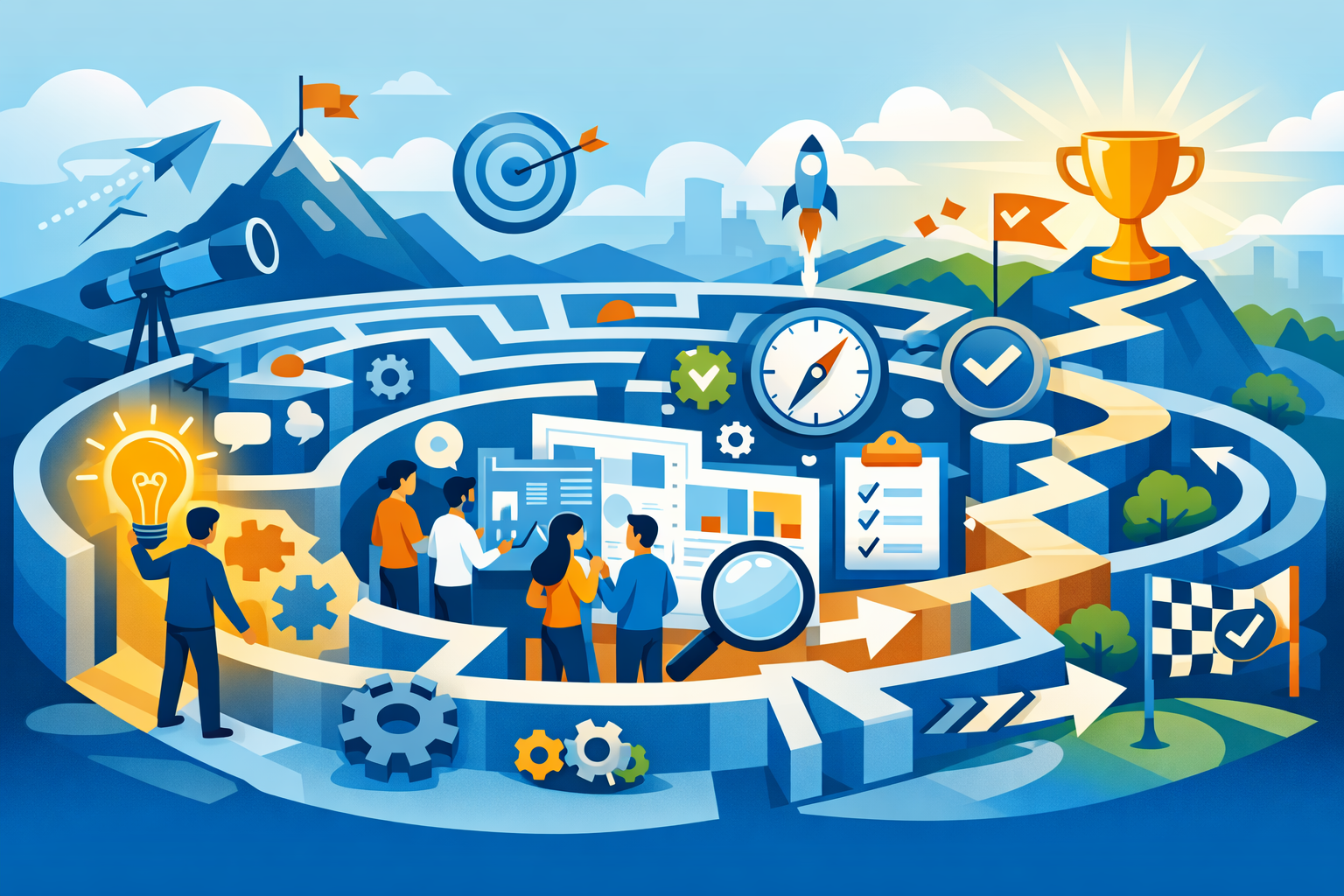
Every project begins with an idea, a vision of what could be. Yet, the journey from this initial spark to a tangible, successful outcome is often fraught with peril. A primary challenge lies in ensuring that everyone involved – from stakeholders to development teams – shares an unwavering understanding of the project's core purpose, scope, and desired results. Misinterpretations, unspoken assumptions, and communication gaps can quickly transform a promising concept into a costly endeavor that misses its mark.
Historically, requirements gathering was often treated as a singular, front-loaded event, a static document signed off before development commenced. This linear approach frequently led to discoveries of misalignment late in the project lifecycle, when changes were most expensive and disruptive. Modern project methodologies, however, advocate for a more dynamic and continuous process, recognizing that understanding is not a destination but an ongoing journey of clarification and validation.
The true essence of project success hinges on creating a shared mental model among all participants. It's not enough to simply document what is needed; the critical step is to ensure that everyone comprehends the 'why' behind each requirement and how it contributes to the overall strategic objective. This deep, collective understanding minimizes rework, enhances team cohesion, and ultimately leads to solutions that truly meet the intended purpose. Without this foundation, even the most skilled teams can struggle.
The complexities of contemporary projects, often involving diverse global teams and rapidly evolving technological landscapes, amplify the need for robust mechanisms that foster clarity. Previous research consistently points to communication breakdowns as a leading cause of project underperformance. This underscores the imperative for innovative approaches that bridge conceptual gaps and ensure every voice is heard and understood, paving the way for effective collaboration and delivery.
Key Insights from Project Literature 📚
- The profound impact of early and continuous stakeholder engagement significantly elevates project success rates by cultivating a collective vision and reducing late-stage scope changes.
- Iterative feedback loops, incorporating elements like rapid prototyping and regular review sessions, prove far more effective than rigid, sequential approaches in clarifying complex requirements.
- Ambiguity in initial project requirements is consistently identified as a primary driver of scope creep and costly delays, highlighting the critical need for precise and unambiguous definitions.
Analyzing the Path to Clarity 🔍
Delving deeper into why misunderstandings persist, we often uncover a tapestry of cognitive biases, varying professional jargons, and unarticulated assumptions. A developer might interpret a requirement differently from a marketing specialist, simply due to their distinct perspectives and priorities. Bridging these inherent communication gaps requires more than just meetings; it demands structured approaches that actively solicit and synthesize diverse viewpoints.
At CatioBrief, we emphasize the power of active listening and visual communication tools. Diagrams, user journey maps, and interactive wireframes serve as universal languages, transcending verbal ambiguities. They allow stakeholders to literally see and interact with concepts, fostering a concrete understanding that words alone often fail to achieve. This visual clarity is instrumental in aligning expectations across all project roles.
The concept of “living documentation” is also gaining traction, moving away from static, one-time requirement documents. Instead, requirements are viewed as dynamic entities that evolve with the project, constantly validated and refined through continuous feedback. This agile approach ensures that documentation remains relevant and reflective of the current project state, preventing outdated information from leading to misdirection.
Balancing agility with thoroughness presents a perpetual challenge. While rapid iteration is vital, it must be grounded in a sufficiently robust initial understanding. Teams must find a sweet spot where they can adapt quickly without sacrificing the foundational clarity that prevents major deviations. This involves employing flexible frameworks that allow for evolution while maintaining a clear north star for the project's direction.
The review phase, far from being merely a gate for approval, should be embraced as a critical learning opportunity. It’s not about assigning blame for discrepancies, but about collaboratively refining understanding and course-correcting early. Regular, transparent reviews create a culture of shared responsibility and continuous improvement, ensuring that the project consistently aligns with evolving needs and insights.
Ultimately, achieving unwavering project understanding is deeply human. It relies on cultivating an environment of trust, psychological safety, and open dialogue. When team members feel comfortable questioning assumptions, voicing concerns, and sharing diverse perspectives, the collective understanding deepens exponentially. This fosters a truly collaborative spirit, essential for navigating complex project landscapes successfully.
Actionable Takeaways for Project Success ✨
- Implement structured, interactive workshops for requirements elicitation, utilizing collaborative modeling and visual tools to ensure all stakeholders contribute to and internalize the shared vision.
- Establish regular, incremental review cycles involving all key stakeholders, facilitating continuous alignment, early detection of potential discrepancies, and timely course corrections.
- Foster a robust culture of inquiry and continuous learning within all project teams, actively encouraging the questioning of assumptions and the open sharing of diverse insights.


 CatioBrief